Videos
Stories of Impact’s award-winning videos explore the human stories behind the world’s biggest challenges. Join us to learn more about the art and science of human flourishing, and the innovators transforming our future.

Nov. 22, 2025
The Search for Mathematical Genius: The Spirit of Ramanujan
Srinivasa Ramanujan was a late 19th century self-taught mathematical genius from southern India. His talent has been described as unique amongst his peers in that he believed that his formulas came in the form of gifts from the Hindu Goddess, Namagiri Thayar. Ramanujan began his work in math isolated from others that understood the complexity of the ideas that he was able to intuit. Eventually, he reached out to prominent mathematicians and his creativity and genius were recognized by the world. Ken Ono, Vice President of the American Mathematical Society and the Thomas Jefferson Professor of Mathematics at the University of Virginia offers insight into the massive scope of Ramanujan’s influence, “Hundreds of his formulas have ended up serving as prototypes for theories that the mathematicians of the 20th and 21st century have gone on to develop. The study of black holes, mathematics of the internet, even the mathematics that power your phone.”

Nov. 22, 2025
Program on Human Flourishing: Arthur Brooks
In this Stories of Impact video, economist and former president of the American Enterprise Institute (AEI,) Dr. Arthur C. Brooks, discusses AEI's program on human flourishing. The aim is to understand the cultural underpinnings of free enterprise and entrepreneurship in the United States and beyond. In the past 50 years, the world's starvation rate has declined by 80% and billions have risen from poverty as a result of the free enterprise system. It’s a fact that came as a revelation to Arthur Brooks and changed the course of his career. Brooks was a classically trained french horn player who returned to the classroom and began to examine our free enterprise economy and the distribution of wealth.

Nov. 22, 2025
Putting Our Heads Together: A Global Community to Study Animal Cognition
Looking closely at the behavior and problem solving of animals can lead to discovering answers about ourselves. Duke University's Dr. Brian Hare has focused his investigations into the psychology of great apes, and canines. In studying the evolution of intelligence in man’s best friend, and our closest relative, Dr. Hare recognized that friendliness has become a survival technique for both species. Wolves and chimpanzees are fearful of strangers whereas dogs and bonobo monkeys have benefitted from their willingness to trust. Animal psychology is not a widely studied field and academic researchers have to look outside of their own institutions in order to engage in comparative experiments. Is a dog smarter than a cat? Is a dolphin more intelligent than a chimpanzee? These questions are difficult to answer without shared data. Dr. Hare is developing a tool encouraging collaboration between researchers in the field of comparative animal cognition. Connecting animal psychologists on a glo…

Nov. 22, 2025
Innovations in Human Flourishing
With this 15-minute introductory video, journalist Richard Sergay kicks off his latest TWCF-supported documentary series on Human Flourishing, and what it means to an array of global luminaries in fields including psychology, medicine, spirituality, and the arts. Throughout the course of this series, we’ll hear from such thought leaders as jazz legend Wynton Marsalis, University of Pennsylvania Character Lab’s director Angela Duckworth, Harvard’s director of Human Flourishing Professor Tyler VanderWeele, co-inventor of the Internet Dr. Vint Cerf, and Alvin Ailey American Dance Theater’s Emerita Director Judith Jamison.

Nov. 22, 2025
The Power of Listening in a Polarized World
When we are listened to well, we flourish. New research by Netta Weinstein and Guy Itzchakov is helping to build a deep and scientific understanding of what listening is, when and why it matters to the well-being of people, and in what circumstances. In this video from the Stories of Impact series, the researchers offer a look into the nuances of the listening process, exploring the roles both the speaker and the listener play in conversation. They hope that the listening training they've been working with will bring about change, harnessing high-quality listening as a powerful tool for reducing polarization and supporting human flourishing. They'd like to see the people that received the training "serve as social agents so one good listener can have a downstream effect that's contagious, for the family, for the workplace, and for the community," says Itzchakov.

Nov. 22, 2025
The Ethical Apparel Index
In this conversation, we hear from two scholars looking at social and environmental sustainability in supply chains. Robert Handfield, Ph.D., Bank of America University Distinguished Professor of Supply Chain Management, North Carolina State University, and MD Rejaul Hasan, Ph.D., Wilson College of Textiles, North Carolina State University are featured in this Stories of Impact video, discussing their new TWCF-supported project. They theorize that given an option to purchase a garment produced in an ethical, sustainable manner, consumers are willing to pay more to do so. Using machine-based learning, their team is building an analytical framework that ingests different audit data about criteria needed for ethical apparel production.

Nov. 22, 2025
Adversity and Resilience in Human Flourishing
Thought leaders President of Women in Africa and Nigerian Human Rights Activist, Hafsat Abiola; Harvard social scientist professor, Arthur Brooks; Bishop of Oxford, Rt Revd Dr. Steven Croft; University of Pennsylvania Character Lab’s founder and CEO, Angela Duckworth; President of Rensselaer Polytechnic Institute, The Honorable Shirley Ann Jackson; AGRA President and UN Special Envoy, Agnes Kalibata; internationally acclaimed musician and advocate of American culture, Wynton Marsalis; and Yale University cognitive scientist, Laurie Santos share how grit, the ups and downs of life, and post-traumatic growth impact our capacity to flourish.

Nov. 22, 2025
Games for Emotional and Mental Health: GEMH Lab
Engagement in the "intrinsic joy of play" through specially-designed video games is helping kids manage their mental health. With Templeton World Charity Foundation's support, Isabela Granic and a team of social scientists, researchers, and designers at Games for Emotional and Mental Health (GEMH) Lab create digital games based on behavioral science that teach young people to regulate their anxiety. In her studies, Granic found that only about 40 to 60% of children experienced improvement through conventional cognitive behavioral therapy (CBT) approaches to treating chronic anxiety. Frustrated with this statistic, Granic began to wonder if its cause could be lack of engagement. With traditional CBT, "the delivery model is boring. Young people are asked to either sit in a classroom, a group therapy, or in a clinical sort of context." MindLight incorporates relaxation and mindfulness techniques, attention bias modification methods, and neurofeedback mechanics into an interactive, immers…
Nov. 22, 2025
The Shamiri Institute: Shaping the Future of Mental Health in Africa and Beyond
Lack of access to robust mental health care is a roadblock to the success of young people in Africa, says Templeton World Charity Foundation grantee Tom Osborn, CEO of the Shamiri Institute. Mental health is stigmatized in Kenya and many communities around the world. In Kiswahili, "shamiri" means "thrive." The Shamiri Institute aims to provide at-risk, low-income adolescents with "a chance to really achieve their life outcomes" and flourish. Its evidence-based, data-driven interventions are designed to help teenagers nurture and draw upon character strength. At Shamiri, a growth mindset is emphasized. Says Osborn: "Rather than thinking about their personal traits and attributes as being fixed, we try to train young people to think about these attributes as being valuable things that they can change through effort."
Nov. 21, 2025
Collective Effervescence
A Templeton World Charity Foundation-funded study led by social psychologist Dr. Shira Gabriel is looking at the effects group singing events like those put together by Koolulam have on aspects of our wellbeing. Have you ever been in a group of people, everyone focused on the same thing — a sports competition or a sermon or a performance — and you’ve had a feeling that you’re being transported or transformed by what you’re experiencing? There’s actually a term for those beautiful, resonant, collective experiences — collective effervescence. This episode of Stories of Impact podcast explores the collective effervescence of Koolulam, “a social-musical initiative aimed at strengthening the fabric of society, centering around mass-singing events.”
Nov. 21, 2025
Care for Caregivers
The pandemic took a major toll on the mental health of medical workers. A survey found emotional conditions for healthcare workers during the height of COVID-19's spread were comparable to war zone depression anxiety PTSD. "It's interesting that as stressful and difficult a profession as being a healthcare professional is, they don't have explicit training on how to manage emotions, how to manage stress, how to manage interpersonal relationships, even though now we have so much science showing that we can train these skills," says Leandro Chernicoff, founding partner and Academic and Research Director at AtentaMente. With support from the Templeton World Charity Foundation, AtentaMente has teamed up with the Center for Healthy Minds at the University of Wisconsin-Madison to successfully pilot a mental health care program for health workers in Mexico. This study will be one of the world's largest randomized control trials to assess the impact of mental health interventions with health …

Nov. 21, 2025
REACHing for Forgiveness
Templeton World Charity Foundation funded the largest-ever randomized control trial of a forgiveness intervention, involving thousands of participants from locations with a history of conflict — Colombia, Indonesia, Hong Kong, South Africa, and Ukraine. Professor Everett Worthington is one of the world's leading researchers on forgiveness. His REACH Forgiveness workbook is at the center of the study. The REACH model is a scientifically validated tool that provides a step-by-step process to reach forgiveness. The workbook is secular and free-of-cost, and is now available for download in multiple languages. It was designed to be completed independently in 2-3 hours. The study found that those who followed the workbook showed significant reductions in unforgiveness, depression symptoms, and anxiety symptoms, compared to a group who was delayed in receipt of the workbook.
Nov. 21, 2025
Compassion and the Sustainable Development Goals
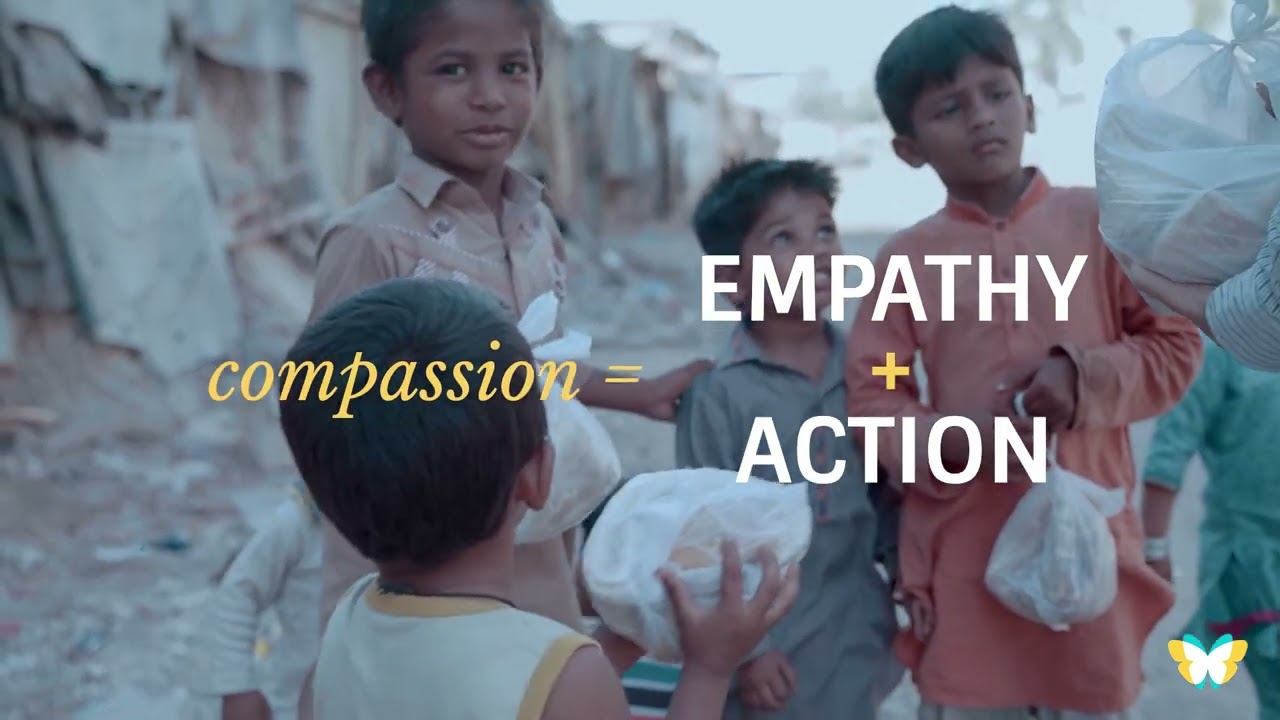
A team of global health experts explore the connection between empathy, action, and human flourishing, and how it may help make the SDGs attainable. The UN's 2030 Agenda for Sustainable Development centers around 17 SDGs, set up in 2015 to address global issues including poverty, hunger, clean water, education, and gender equality. The onset of the COVID-19 pandemic hindered progress toward achieving these goals by 2030. However, leading global health experts make a case that compassion could reinvigorate and accelerate the quest, and lead to human flourishing. "I believe that compassion is the instrument that allows human flourishing," says Liz Grant, Director of the Global Health Academy, and Co-director of the Global Compassion Initiative both at the University of Edinburgh. David Addiss is Global Health Ethics Officer and Director at The Task Force for Global Health, and founding director of The Task Force’s Focus Area for Compassion and Ethics. He sees the SDGs and compassion as …

Nov. 21, 2025
The Promise and Perils of Artificial Intelligence: New Frontiers for World Religions
Unprecedented technological advancement is compelling humanity to confront ideas about morality. This video examines how artificial intelligence (AI) — the ability of machines to perform tasks that are typically associated with human intelligence, such as learning and problem-solving — raises profound ethical questions from a faith perspective. Leaders from religious traditions across the globe describe how their faiths view technology and what AI could mean for the future of human flourishing. Speakers in the video include: David Zvi Kalman, Scholar in Residence and Director of New Media, Shalom Hartman Institute of North America; Rt. Revd. Dr. Steven Croft, Bishop of Oxford, Founding Board Member, Centre for Data Ethics and Innovation; Muhammad Aurangzeb, PhD, Professor of Computer Science, University of Washington; Revd. Dr. Harriet Harris, University Chaplain, University of Edinburgh; Rabbi Geoffrey A. Mitelman, Founding Director, Sinai and Synapses; Father Paolo Benanti, Professo…
Nov. 21, 2025
The Surprises of Diverse Intelligences
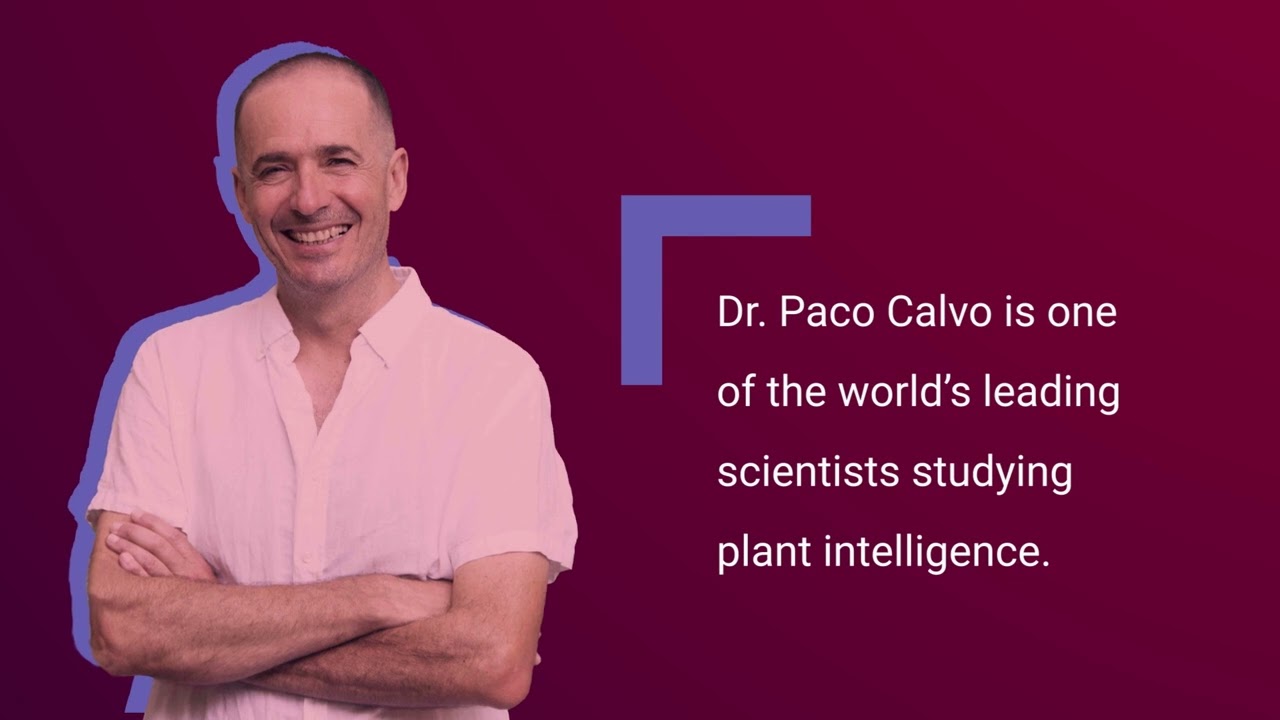
Intelligence is present in so much of the universe, spanning from particles to organisms. It's found in surprising places, including the inorganic world. In this video, scientists share findings from recent research about animal intelligence and offer insight into new ways of framing how we think about plant and cellular intelligences. Scientists include Frans de Waal, Paco Calvo, Michael Levin, Marcelo Magnasco, Diana Reiss, and Shumpei Sogawa.

Nov. 21, 2025
Adversarial Collaboration
Can collaboration among scientists with competing theories help research move forward? Get an introduction to this innovative approach and learn how it's impacting progress in consciousness research in this video featuring neuroscientists Lucia Melloni and Christof Koch, and psychologist, Daniel Kahneman.
Nov. 21, 2025
National Geographic Wildlife Intelligence Project: Inspired by Jane Goodall & the Templeton Prize
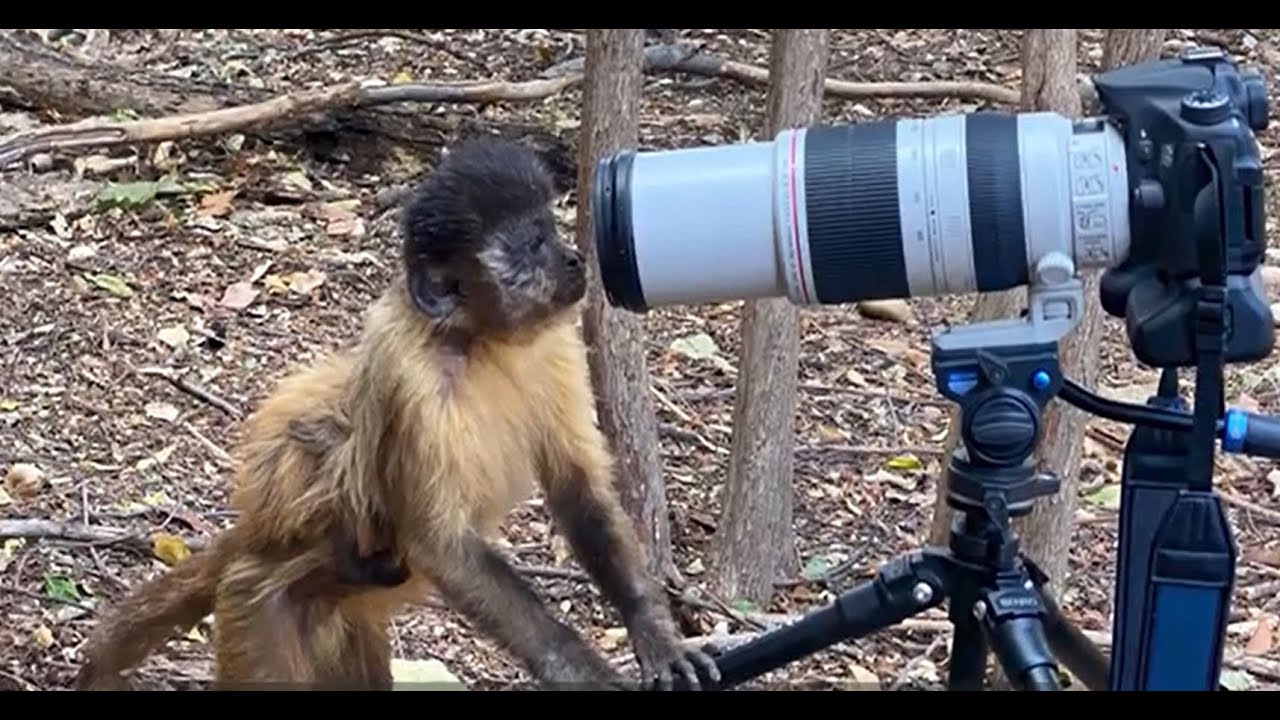
Inspired by the groundbreaking work of Dr. Jane Goodall, 2021 Templeton Prize Laureate, Templeton World Charity Foundation awarded the National Geographic Society with a grant to support three National Geographic Explorers as they seek to answer questions about animal intelligence. Alongside insights from Jane Goodall, this video features each of the three Explorers selected for the Wildlife Intelligence Project, discussing their work. You'll meet Mauricio Cantor, a Brazilian biologist and assistant professor at Oregon State University, examining cooperative behavior among dolphins and humans across three sites in Brazil, India and Myanmar; Felicity Muth, head of the Muth Lab and assistant professor in the department of neurobiology, physiology and behavior at the University of California Davis, exploring how ecology shapes the behavior of wild bees; and Tiago Falótico, is a Brazilian primatologist and ethologist who studies the behavior, social learning and culture of wild primates l…
Nov. 21, 2025
Forgiveness: A Pathway to Peace, Justice, & Strong Institutions from Rwanda to the World
In Rwanda, the impact of the Genocide against the Tutsi is felt at the individual, communal, and national levels. The consequences of violence are not unique to Rwanda; but the extent to which forgiveness and reconciliation have occurred over the past few decades is remarkable. How can someone forgive those responsible for the killing of their close family members and loved ones? Can this process be replicated or scaled across a community, a nation — a world? In this video, Freddy Mutanguha discusses his forgiveness journey and life’s work nurturing peace, forgiveness, and reconciliation in his country and across the world. You'll also learn how Rwanda is dealing with its past through unique pathways, including reconciliation village, and how testimonies of Rwandans are informing research-based peace education.

Nov. 19, 2025
Reshaping Aspirations for Kids in Medellín Steering Youth Away from Gang Recruitment
In Medellín, Colombia, an estimated 500–1,000 teenage boys are drawn into organized crime each year. Research has found that many of the kids join street gangs willingly, lured by the perception that gangs offer higher incomes, greater respect, and more social success compared to legitimate career paths. With a grant from Templeton World Charity Foundation (TWCF), Santiago Tobón, Professor of Economics at Universidad EAFIT, aims to expand understanding of these dynamics, and to reduce the impact they have in vulnerable communities.

Nov. 19, 2025
Big Questions in Classrooms Transforming Science Education & Religious Education in the UK
TWCF's Big Questions in Classrooms (BQiC) priority takes a multi-disciplinary, inquiry-led approach to learning and teaching. It equips teachers and students to collaboratively explore questions about humankind's search for meaning and purpose that stretch across subjects. Watch the video to find out how a dialogic style of teaching is transforming students' and teachers' experiences — and empowering them both with a sense of curiosity and the confidence to examine life's biggest questions.
Nov. 19, 2025
War Child Using Data to Help Children in Conflict Zones Heal
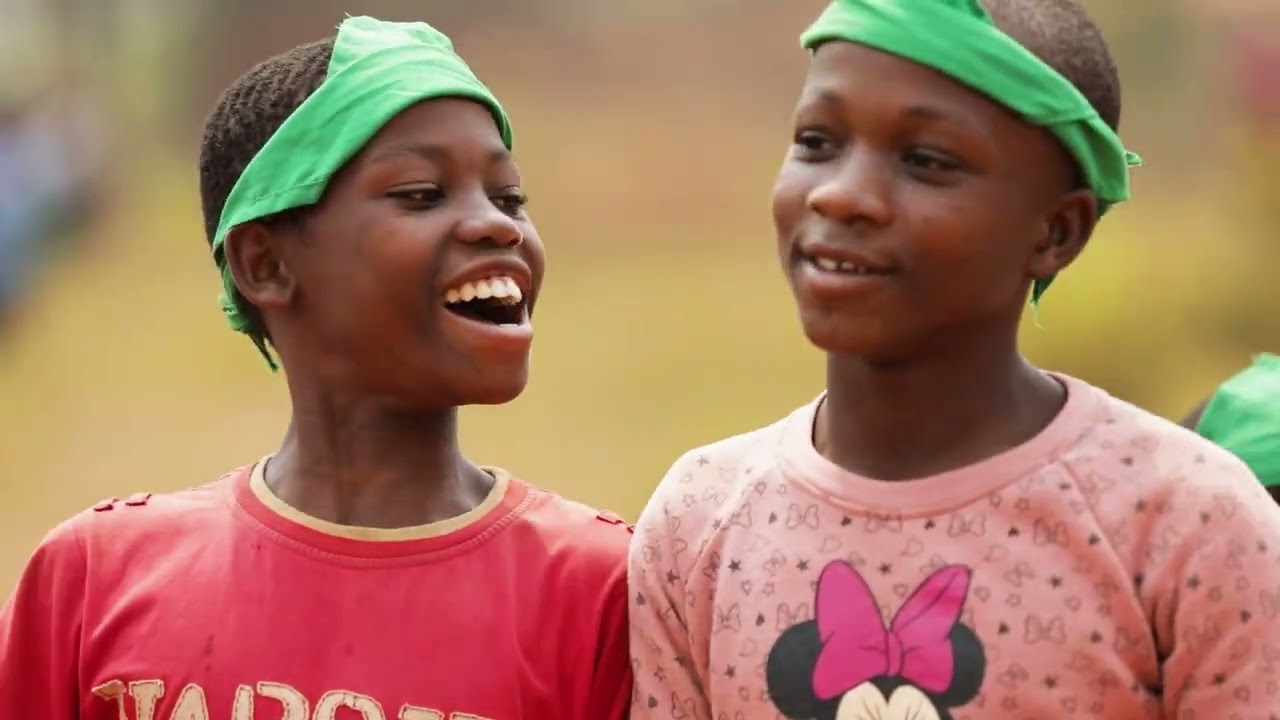
In this Stories of Impact video, Dr. Mark Jordans, Director of Research and Development at War Child and Nahed Sahmoud, Global TeamUp Technical Advisor, explain how TeamUp works and share results from their recent studies in Uganda and Burundi.

Nov. 19, 2025
Diverse Intelligences The Search for Joy in Animals
In this new Stories of Impact video, researchers from fields spanning biology, psychology, marine science and philosophy, share what they’ve learned about how joy appears in great apes, dolphins, and kea parrots. See these animals participating in the studies and hear from the researchers conducting the studies including Erica Cartmill, Sasha Winkler, Daan Laméris, Heidi Lyn, and Colin Allen.

Nov. 19, 2025
The Benefits of Shabbat Dinner
In this Stories of Impact video, researcher Dr. Arielle Levites and Aliza Kline, founder of OneTable, share what they've learned about the role of Shabbat dinner in strengthening interpersonal bonds and creating opportunities for deeper social engagement.