Videos
Stories of Impact’s award-winning videos explore the human stories behind the world’s biggest challenges. Join us to learn more about the art and science of human flourishing, and the innovators transforming our future.

June 10, 2026
The Work from Home Revolution
How has working from home affected the wellbeing of workers? Business performance? Society at large? With support from Templeton World Charity Foundation, Stanford economist Nicholas Bloom leads research to discover if working from home leads to increased entrepreneurship and more equitable wealth distribution. Since 2020, what Bloom calls “the biggest change in labor markets since World War II” has transformed how – and where – millions of people work. Before the pandemic, about 7% of workdays were from home; at the peak, more than half of all workdays in the U.S. were remote. In this Stories of Impact video, he explains what the Survey of Working Arrangements and Attitudes (SWAA) – which polls 10,000 Americans a month – and other data suggest about how this shift impacts everyday life, opportunity, and the future of work.
June 2, 2026
Human Flourishing: Religion & Scientists
A research project at Rice University is increasing the conversation about the intersection between science, spirituality, and religion. “Religion and science are the two fundamental ways people know things about the world and the fundamental ways that people think about truth in the world,” says Elaine Howard Ecklund, PhD, director of the Religion and Public Life Program at Rice. The Religion among Scientists in International Context study, funded by Templeton World Charity Foundation, is the first-ever empirical study of religion and spirituality among scientists in a cross-regional context. The study shines new light on the pervasive stereotype that scientists feign away from religious beliefs or that they may even be anti-religion, and examines if the perception of conflict between spirituality and science varies according to regional contexts. 22,000 scientists in 8 nations were asked to answer 77 questions concerning religion. Researchers also conducted 600 interviews with scien…
May 16, 2026
Youth and Truth in Northern Ireland: Lessons for Reducing Polarization
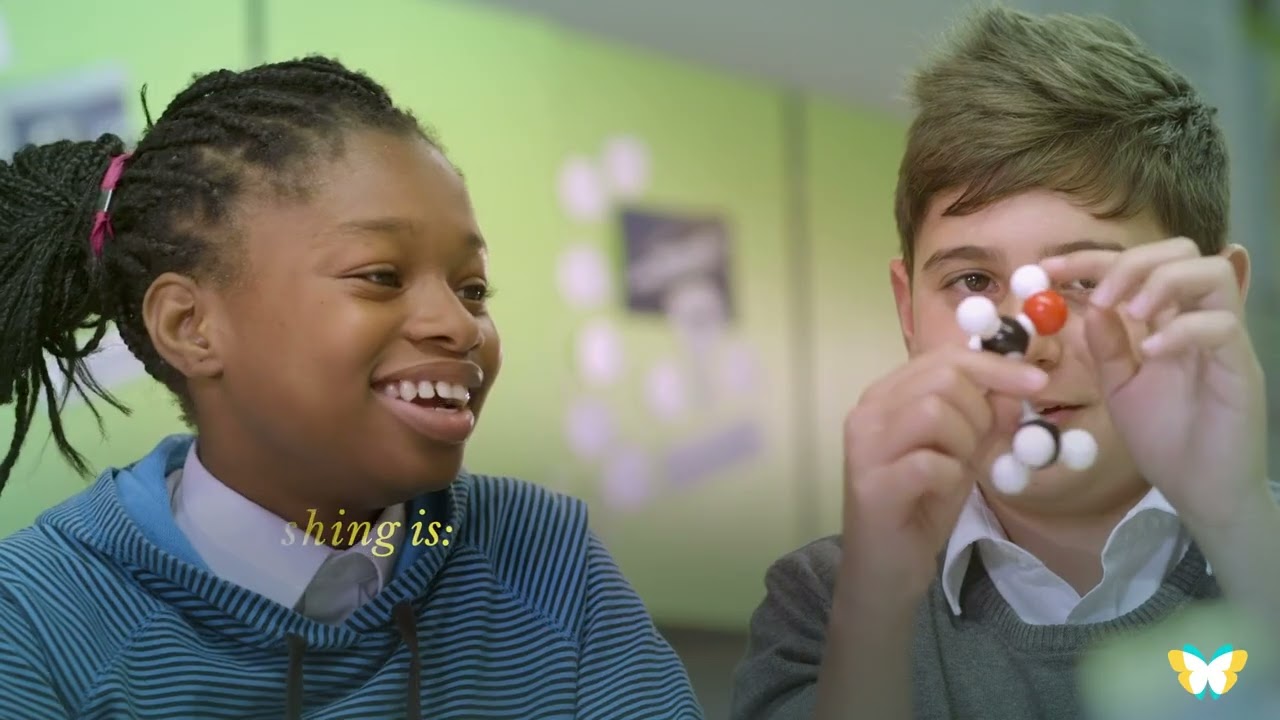
Dr. Jocelyn Dautel, Senior Lecturer in Psychology at Queen’s University Belfast, Dr. Bethany Corbett Lecturer in Psychology, Ulster University, and their colleagues are investigating how polarization persists among young people in the historically divided society of Northern Ireland. In this video the researchers highlight some of their recent findings, including what they discovered through large language model (LLM) analysis of textbooks, and offer insights into what can be done to foster knowledge and peace. The video also features participants in a program called "Shared Education," a curriculum that brought students from a Catholic school and a Protestant school together to learn alongside and about each other.
May 16, 2026
Human Flourishing and What it Means for the World
Templeton World Charity Foundation (TWCF) President Andrew Serazin, D.Phil, highlights the Foundation's call to action for the future of human flourishing. He emphasizes the importance of seeking solutions to global challenges using an approach based on the virtues, values, and ideas that drive human flourishing. On this path, lies an opportunity to revolutionize research, practice, and policies, to go beyond just surviving and forge a future of thriving and flourishing. In this video we hear from a variety of thought leaders including African human rights activist Hafsat Abiola; co-inventor of the Internet Dr. Vint Cerf; founder of The Chopra Foundation Dr. Deepak Chopra; Bishop of Oxford Rt Revd Dr. Steven Croft; President of Rensselaer Polytechnic Institute, The Honorable Shirley Ann Jackson; AGRA President Dr. Agnes Kalibata; internationally acclaimed musician and advocate of American culture Wynton Marsalis; first woman president of Ireland and chair of The Elders Mary Robinson; …
May 16, 2026
Being Human: How Do Students View Science and Religion
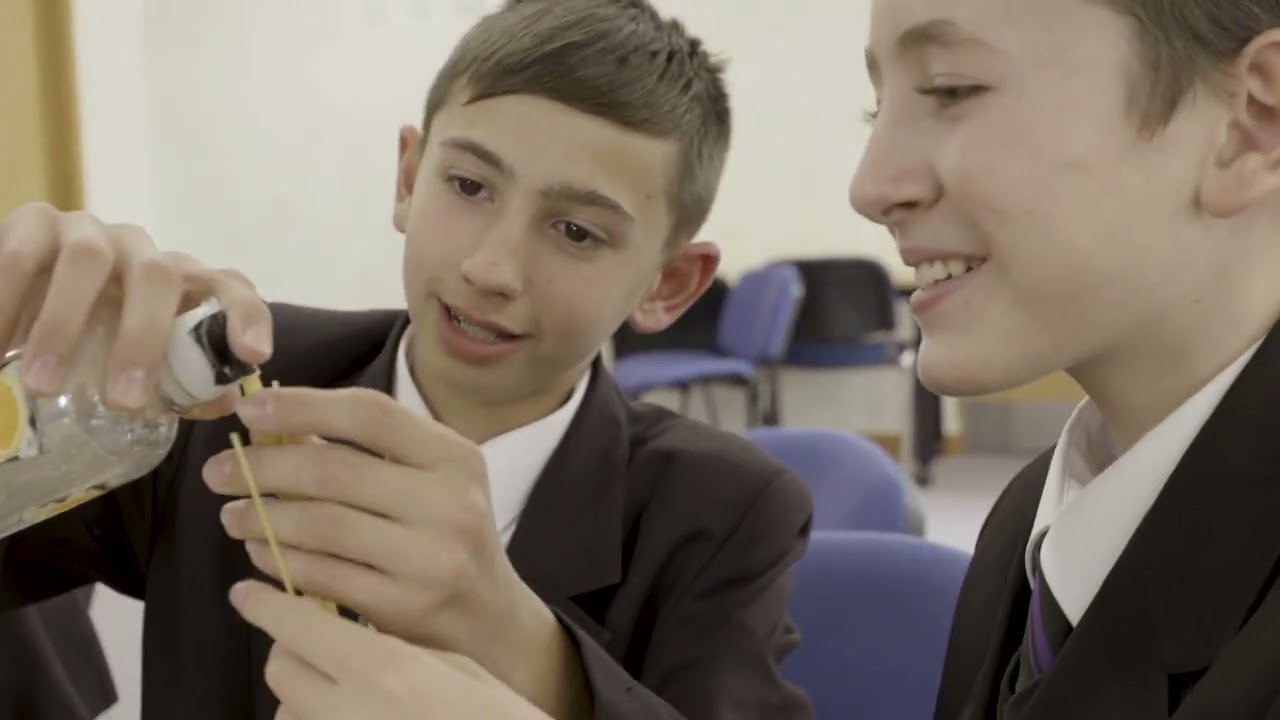
“I was a teacher who wanted to have those big question discussions with the children,” shares Professor Berry Billingsley, director of the Learning about Science and Religion (LASAR) Centre at Canterbury Christ Church University in the United Kingdom. “But creating the space to make it happen in a schoolroom is incredibly difficult.” Interviews with students in England revealed that they want to ask big questions about human significance, and free will, and how science and religion interact. But many also said that they held back, feeling that teachers would see these questions as off-topic or too sensitive. Researchers are studying how students and teachers can make the connections between science, religion, and other disciplines.

May 16, 2026
Accelerating Research on Consciousness
We know that we are conscious but we don't yet know how or why. The subjective nature of consciousness makes it difficult to study because only the individual has direct access. The search is on for a theory that helps us determine the presence of consciousness in humans and other scopes of life. Prior to the Age of Enlightenment in the 18th century, the heart was considered to be the home of consciousness. Theories are always evolving and now the consensus is that the brain is where we should be looking. Christof Koch, PhD states that it is now believed that the footprint of consciousness is generated from a thin layer on the brain known as the Neocortex. In an attempt to rule out current theories to narrow the scope of this search, a groundbreaking project led by Professor Lucia Melloni, PhD will test two rival theories simultaneously.
May 16, 2026
Foundations of Cultural Intelligence: Cristine Legare
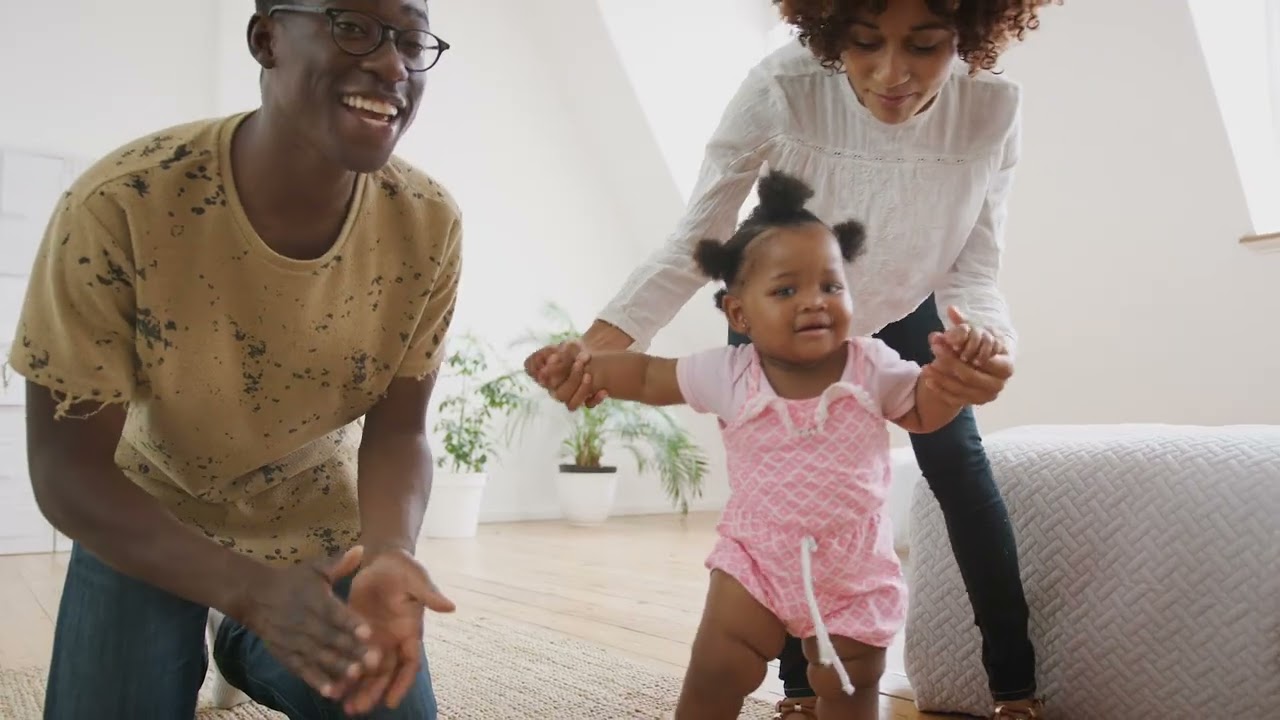
Human thought is shaped by our interactions with other people, as well as our interactions with the products of people: cultural artifacts, technologies, and repertoires of information. By building upon each other's discoveries and behaviors over time and across cultures, humans create vast systems of knowledge that we pass on to subsequent generations. Scientist Cristine Legare's research at The University of Texas at Austin illuminates how the near-absence of cumulative culture in other species suggests humans are unique among animals. Her research team is examining why humans have developed sophisticated technology over time, while chimpanzees — our closest primate relative — have been using and continue to use primitive tools over the same span of time.

May 16, 2026
Understanding Everyday Love Barbara Fredrickson
Frequently experienced mild positive emotions are what drive health and well-being. In Western culture, feelings and emotions are considered to be tied to the individual rather than shared with acquaintances. Dr. Barbara Fredrickson, a psychology professor at the University of North Carolina (UNC), coined the phrase “positivity resonance” to identify the shared sensation of positive psychology between individuals. The success of communities relies on prosocial virtues such as altruism, spirituality, and intellectual humility. Simple, affirmative actions that are shared with others as part of a regular routine can generate a profound ripple effect for the individual throughout their day along with others who are part of these connections. Just as one can be consumed by a negative interaction, a shared laugh with a stranger, or even a brief smile, can adjust the direction of the day for both parties. The frequency of these small gestures can generate strong channels for mental health.

May 16, 2026
Can Artificial Intelligence Help Us Be More Moral?
By pairing the power of AI systems and human wisdom, researchers Drs. Walter Sinnott-Armstrong, Jana Shaich Borg, and Vincent Conitzer at Duke University hope to offer a tool for strengthening the moral capacities of humans. AI is being implemented across a wide spectrum of use and this proliferation is giving rise to concern. One day, researchers expect to advance a moral structure to these technologies. The research group has focused on kidney donations. With many recipients waiting for their exchange and limited donors, the moral decisions of the next in line become complex. Artificial Intelligence does not mind filtering huge amounts of data in order to streamline decisions that ultimately will be made by humans. The concept of a single human morality is one that may never be agreed on but researchers are taking steps with basic concepts like, do no harm, and maintaining human rights. Technology with a moral compass is perhaps decades away but the concerns are evident and prelimin…
Feb. 11, 2026
CareGiving 2025 – Stories of Impact
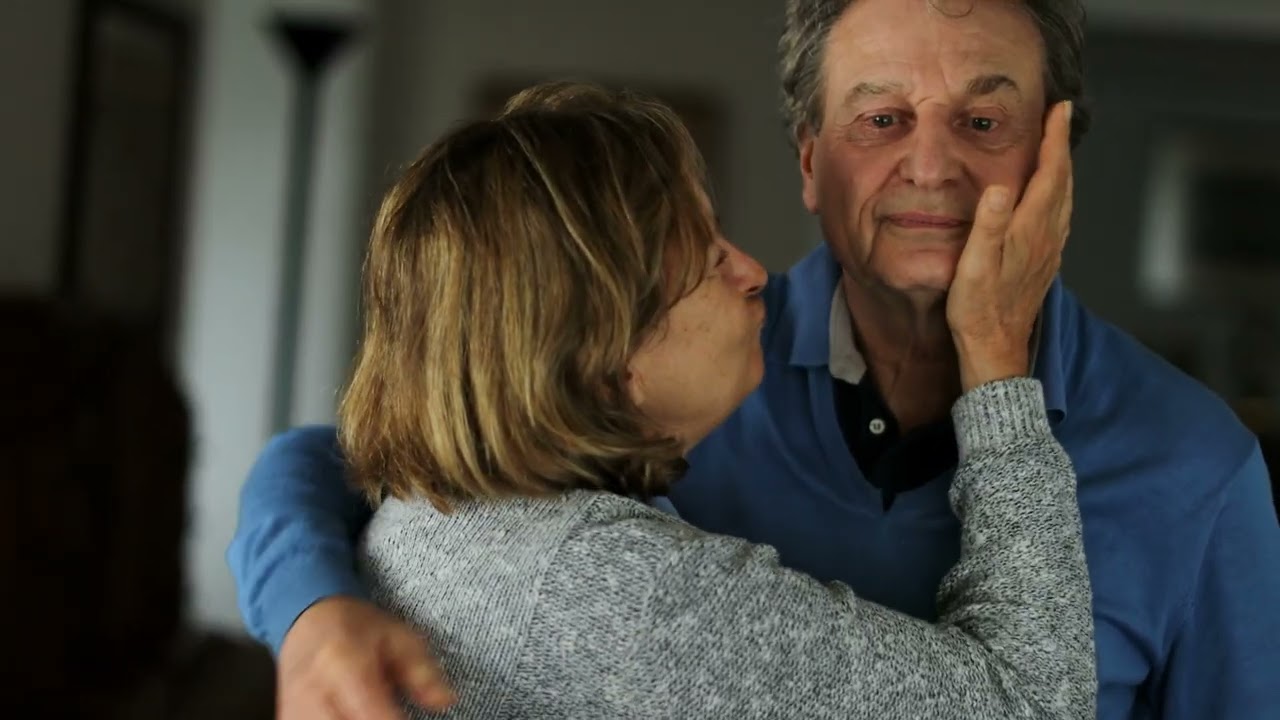
One in four Americans are now caregivers, a 50% increase since 2015. Nearly 30% care for both an adult with a medical condition and a child under 18. “If you ask most people what's the most morally profound, significant, meaningful thing in your life, they'll say something about the way that they have been taking care of children or parents or friends or spouses,” says Gopnik, a professor of psychology and philosophy at UC Berkeley, a world-renowned expert in child development. Yet, care has been “largely invisible” in moral philosophy, psychology, and policy. Gopnik says that’s because “the very nature of caregiving is that we care for people like infants or elders who are not going to be able to reciprocate. And that means that the whole structure of caregiving doesn't fit very well into the usual philosophical and political frameworks.". With support from TWCF, Gopnik leads a multidisciplinary team of gerontologists, childhood researchers, political scientists, philosophers, and A…
Dec. 19, 2025
Hurricane Katrina and New Orleans 15 Years On – Stories of Impact
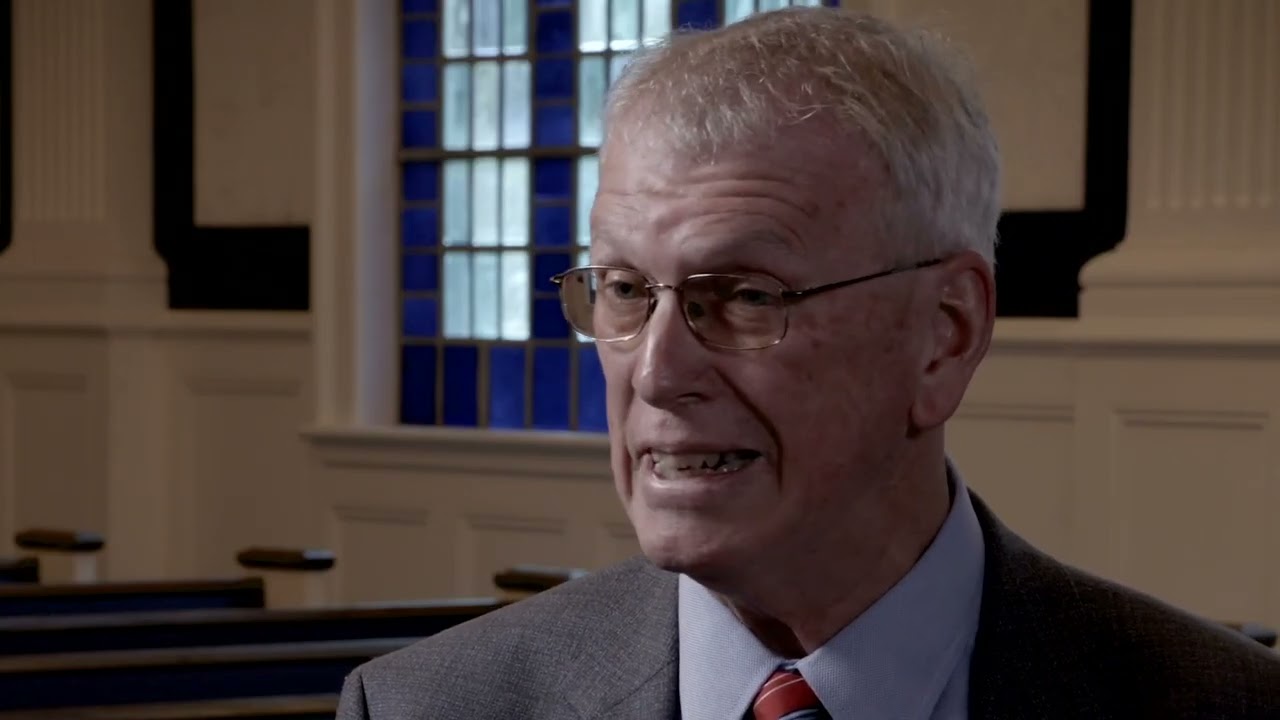
In August of 2005, as the world watched, Hurricane Katrina devastated New Orleans. The people of the city experienced great suffering in the aftermath of the Category 5 storm. There was no electricity, and the water was not suitable for drinking. Basic goods that society takes for granted became scarce. This video explores the character of the people that lived through the disaster and how their faith helped them to rebuild their lives. “Hurricane Katrina was a particular event where human flourishing was catastrophically interfered with,” says Dr. Roger Abbot, Research Associate for Natural Disasters, The Faraday Institute for Science and Religion, Cambridge. The massive quest for survival became a test of faith for the region. Dr. Roger Abbot conducted nearly 150 interviews with residents, post-Katrina, and found that even though their entire communities were shaken, the one pillar that remained constant was the faith in God. His project, The Theology of Suffering: Natural Catastrop…

Nov. 24, 2025
Religion Remixed: Spirituality Science and Innovation for a Changing World
Templeton World Charity Foundation is eager to expand scientific understanding of how the practice and benefits of religious and spiritual exercises are linked to outcomes associated with flourishing. In this video, co-founders of Sacred Design Lab, Reverend Sue Phillips and Casper ter Kuile; and Kenneth Pargament, Professor emeritus of psychology, Bowling Green State University share their thoughts and observations with journalist Richard Sergay.

Nov. 24, 2025
Humpback Whale Communication and the Search for Alien Intelligence
Nearly two decades ago, Dr. Fred Sharpe, an expert in humpback whales and the Principal Investigator with the Alaska Whale Foundation, received an unexpected phone call. It was Dr. Laurance Doyle, an astrophysicist specializing in alien intelligence at Search for Extraterrestrial Intelligence (SETI) Institute, calling with a big idea: What if studying humpback whale song could reveal something about the way aliens might be trying to communicate with humans? Today Drs. Sharpe and Doyle are investigating humpback whales’ complex, long-distance communication with the aim of learning about how alien intelligences if they exist, might attempt to transmit their messages through the cosmos. Learning to understand the language, or the song, of the whales, might someday lead us to understand the language of the extraterrestrial intelligence — communication that comes to us through the cosmos, which might even lead to a better understanding of ourselves.
Nov. 24, 2025
Searching for Language in Dolphins Cracking the Code
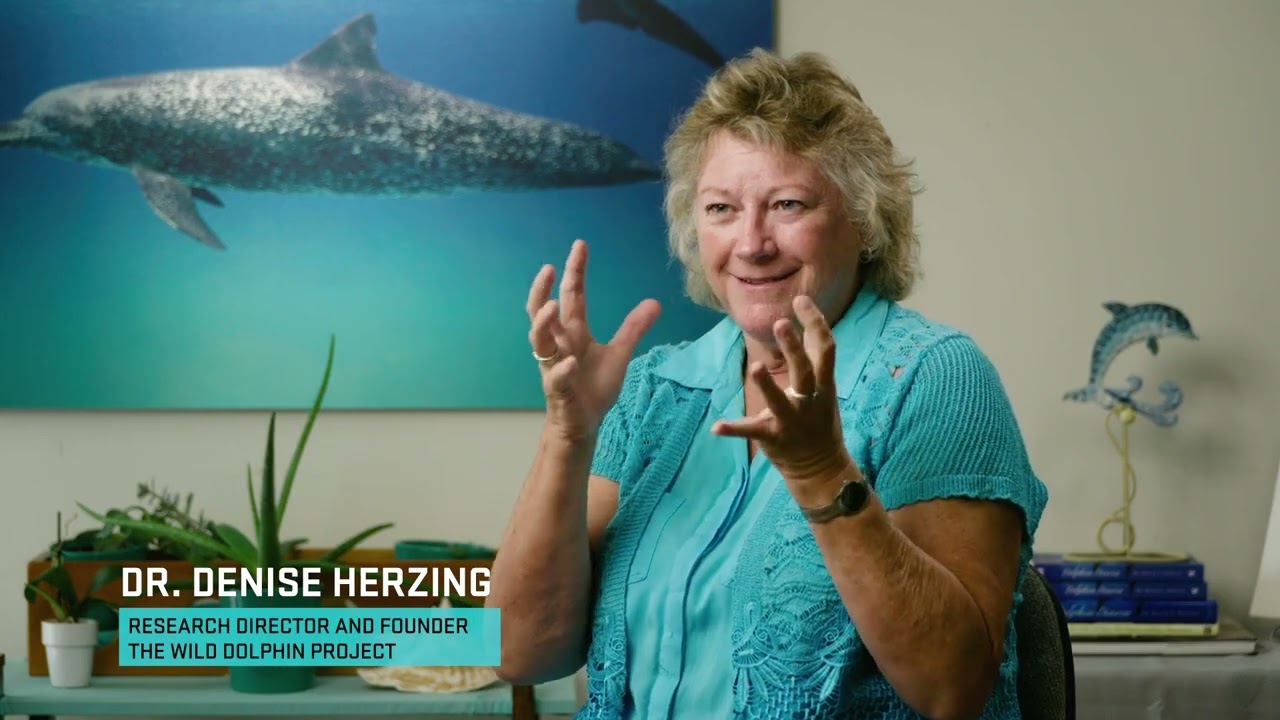
For the past 30 years, Dr. Denise Herzing has been observing and collecting data about the Atlantic spotted dolphins of the Bahamas. “I’m interested in dolphins because of their large brains, and what they might be doing with all that brainpower in the wild.” Do dolphins have a language? If so, can we learn to interpret its meaning? And one day have two-way communication with them? Aided by new technology, we are closer to the answer than ever before. Studying dolphin communication is made easier through the use of a sound localizing system. This technology enables researchers to distinguish which dolphin is making a given sound. An underwater camera is linked to an array of microphones that can isolate and tag individual dolphin sounds and connect them to visual signals. Assisted by a grant from the Templeton World Charity Foundation’ Diverse Intelligences initiative, Dr. Herzing and her team are focused on discovering if the observed symbolic communication in the spotted dolphin is …
Nov. 22, 2025
Citizenship in a Networked Age: University of Oxford
Internet pioneer Dr. Vint Cerf; former president and CEO at the Center for Democracy and Technology, Nuala O’Connor; and director of faith outreach for President Barack Obama, Michael Wear give insights on what it means to be a citizen in today’s digitally networked age from the perspective of tech, policy, and theology. As Google's vice president and chief Internet evangelist, and one of the world’s recognized “fathers of the Internet,” Vint Cerf shares thoughts on his own role in the genesis of the digital age. He also discusses his hopes and concerns for the future of the technology that — in fewer than 40 years — has transformed from a niche tool used by academics to a powerful information-sharing platform the majority of the people on the planet can harness to serve their own individual agendas. For Nuala O’Connor, the involvement of citizens in the creation of their own institutions is an important consideration. The biases of the creators themselves, the individuals who program…
Nov. 22, 2025
How Does Altruism Develop?
“Altruism comes into play when there is a little form of sacrifice or cost to the self and despite that one helps or assists the other to do them some good.” Dr. Andrew Meltzoff, Co-Director of the University of Washington's Institute for Learning & Brain Sciences (I-LABS.) Are humans innately altruistic? Is altruism biological or is it learned? Can we discover the origin of altruism in the human brain? Together with Dr. Rodolfo Cortes Barragan, Dr. Meltzoff has performed experiments where toddlers are given a choice between helping others or taking a reward for themselves. Time and again, the toddlers choose altruism over selfishness. “You take the biological roots of recognizing others like me, add social interaction, and what flowers from that is altruism.” Babies begin to display altruistic tendencies at six months of age. In infancy, humans understand early that other humans are like them. As they begin to interact socially, that recognition develops into altruism. The desire to …
Nov. 22, 2025
The Honey Bee Brain: Dr Andrew Barron
Despite its small size, a bee’s brain exhibits the ability for impressive communication, problem-solving, and metacognition. “If we study intelligence not just in humans but in other living things, potentially in machines, we can tidy up the definition of what intelligence is and where we draw the boundary on what’s intelligent and what’s not," says Dr. Andrew Barron, a leading expert in animal cognition, specializing in the honeybee. Dr. Barron and his colleagues have built a computational model of the bee brain in the virtual world. The model has become a dynamic system in which data can run through the computational bee brain and the output can then be analyzed. Information gleaned from the examination of the simply structured minds of invertebrates can lead to accurate hypotheses for more highly structured and diverse intelligences. The simplicity of the honeybee brain has made it accessible for thorough study. Knowledge that is being gained from this research is expected to lead …
Nov. 22, 2025
Understanding Social Cognition in Autism: Diverse Intelligences
Dr. Sue Fletcher-Watson and her colleague Dr. Catherine Crompton are studying social intelligence in autism. They want to discover how autistic people interact with each other and to learn more about interactions with non-autistic people. Autism is a way of being that differs in the way that the world is processed by the body. The different perception of stimulus modulates the way the autistic person interacts with others and the world. It is common, in mixed social situations, for people with autism to tune their behavior to the expectations of the non-autistic. This effort to simulate expectation in order to comfort the other is an exhausting endeavor. The autism spectrum defines people based on their level of need. The linear nature of this idea is now seen as inaccurate and is being replaced with the term "autism constellation." It’s a better way to understand the diverse nature of individuals. The research team decided to focus their experiment on the transfer of information. The…

Nov. 22, 2025
The (Darling 58) Chestnut Tree: Bringing Back an American Icon
In 1904, a fungus was introduced to North America and it had a devastating impact on one of the continent's foundation trees—the American Chestnut tree. Within only 50 years, the American Chestnut was rendered functionally extinct. Before this tragedy, one out of every four trees in the eastern part of the United States was an American Chestnut. These trees, nearly 3 billion of them, played a crucial role in the development of the country. Native Americans and early settlers relied on the chestnuts for food for their communities and livestock. The lumber from these trees was used to build everything from cradles to caskets. Efforts to restore this tree are being made by William A. Powell, SUNY professor and director of the American Chestnut Research & Restoration Program, and Rex Mann from the American Chestnut Foundation. Supported by funding from Templeton World Charity Foundation, this unique project is seeking to genetically engineer a blight-resistant form of the American Chestn…

Nov. 22, 2025
Building Forgiveness Around the World: Everett Worthington
Dr. Everett Worthington Jr., psychologist, and Commonwealth Professor Emeritus at Virginia Commonwealth University (VCU,) became interested in the study of forgiveness when he was counseling couples. He realized that the way forward for most couples could not begin without letting go of long-held grudges, and began a decades-long investigation into the science and application of forgiveness. In this video, Worthington shares how his research and experiences led him to develop the REACH method, which has helped thousands of people reap the mental and physical benefits of forgiveness. He also highlights examples of people who have offered forgiveness to those who caused them grave harm, and he recounts how he applied the REACH method to his own profound trauma.

Nov. 22, 2025
The Ethics of Artificial Intelligence: Rt Revd Dr Steven Croft
Rt. Revd. Dr. Steven Croft is one of the bishops that sit in the House of Lords in the United Kingdom and a member of the Select Committee of Artificial Intelligence. He’s seeking to strike a balance between innovation and ethics where progress is not hindered but human interests are thoughtfully preserved. Croft believes that unregulated AI may be a present danger to the flourishing of human life. “Human flourishing to me means to have conditions in which human beings live creatively, purposely, and well. Form good relationships founded on the principles of justice, fairness, and equity. Able to work and get a return for their living. And practice freedom of faith.” Artificial Intelligence is helping to make better decisions in the health sector, and financial markets. It’s expected to reduce much of the toil of the human workforce. The questions moving forward concern how to reorganize society with new jobs for humans. Croft warns, “These are profoundly helpful tools for the future …

Nov. 22, 2025
The Theology of Human Suffering: Hurricane Katrina: 10 Years On
In August of 2005, as the world watched on, Hurricane Katrina devastated New Orleans. This video explores the character of the people that lived through the disaster and how their faith helped them to rebuild their lives. “Hurricane Katrina was a particular event where human flourishing was catastrophically interfered with,” says Dr. Roger Abbot, Research Associate for Natural Disasters, The Faraday Institute for Science and Religion, Cambridge. The people of the city experienced great suffering in the aftermath of the Category 5 storm. There was no electricity, and the water was not suitable for drinking. Basic goods that society takes for granted became scarce. The massive quest for survival became a test of faith for the region. Dr. Roger Abbot conducted nearly 150 interviews with residents, post-Katrina, and found that even though their entire communities were shaken, the one pillar that remained constant was the faith in God. His project, The Theology of Suffering: Natural Catast…
Nov. 22, 2025
Managing Extreme Technological Risk: University of Cambridge
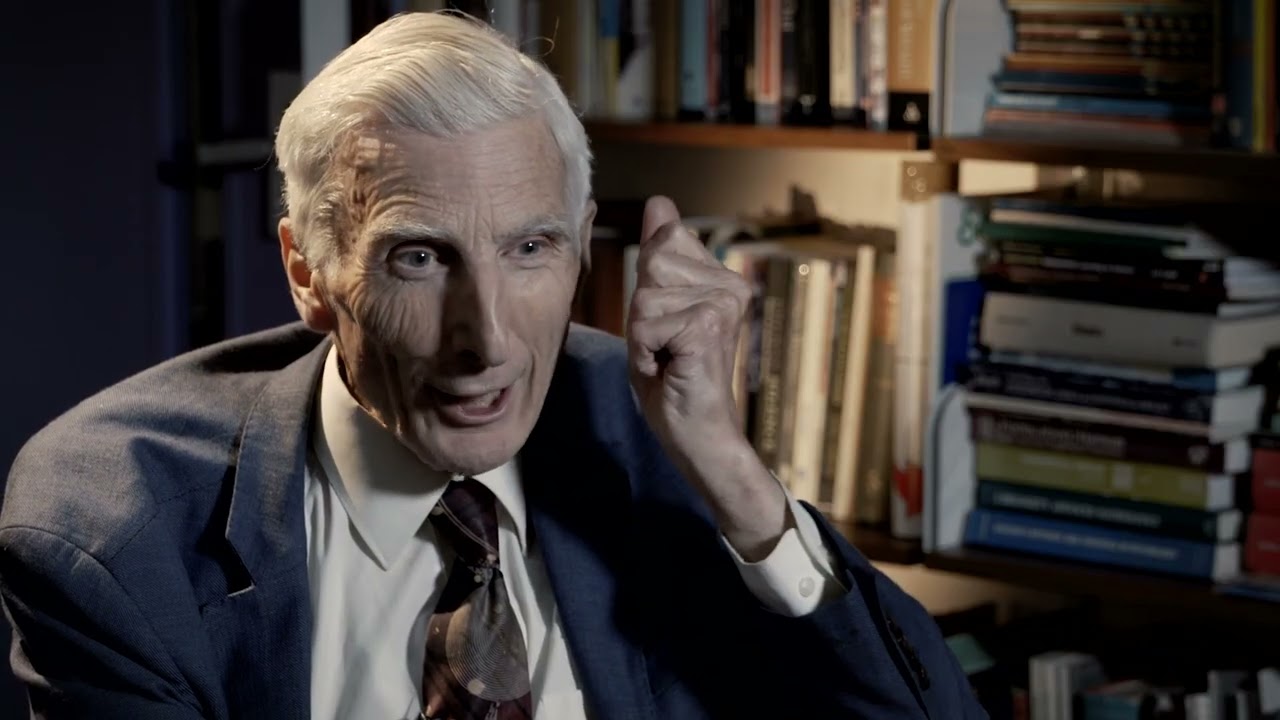
“This is the first century when human beings, one species, have the future of the planet in their hands. The stakes are very high. There is a new category of risks which are certainly going to be global and would involve some sort of catastrophic setback to civilization,” says Lord Martin Rees, co-founder of the Centre for the Study of Existential Risk at the University of Cambridge (CSER.) The nature and level of extreme technological risks (ETRs) are difficult to assess because they have in the past received little serious scientific attention. The Centre is collectively looking at the top risks to civilization, accessing dangers, and considering mitigation. The most pressing threats to life on earth fall mainly into three categories; biological, environmental, and artificial intelligence risks. Catherine Rhodes, PhD of CSER warns us that even if it didn’t get to the stage of wiping out humanity, the suffering that would be caused to billions of humans in the process of one of those…

Nov. 22, 2025
Youth Radio Dialogues on Ubuntu in South Africa
“I am because you are,” the classic definition of Ubuntu, is a concept of individual empowerment through community. Based in Cape Town, the Youth Radio Dialogues on Ubuntu program has created opportunities for young South Africans to listen and also to be heard. Nina Callaghan, former Associate Director, and now Chair of the Children’s Radio Foundation discusses her work with the youth reporters and their two-year exploration of the concept of Ubuntu. The sentiment of Ubuntu is commonly understood in African society and the children were excited to examine the idea through direct practice and community outreach. “In South Africa, the dominant narrative in mainstream media is youth are apathetic, violent, hopeless. Young people have very few spaces where they can express themselves, where they can contribute to opinion, and where they can advocate for things that they need in their lives,” according to Callaghan. The young reporters embraced the positive and respectful principle of Ubu…